
"traditional coffee Greece"
300 article(s) found

A brief introduction to the treatment method of grinding degree and baking degree of Yega Snow Fine Coffee beans in Ethiopia
Ethiopian people are addicted to coffee. In 2003, domestic consumption accounted for 42.3% of the total output, with a per capita consumption of 3 kg. But more than half of the coffee produced each year is used for export to earn foreign exchange. The main exporters include the United States, Italy, the United Kingdom, Sweden, Norway, Greece, France, Belgium, Germany and Australia. Before 1974, the right to produce, process and trade coffee

Boutique coffee, common sense, Turkish coffee.
Coffee in the ancient Middle East, like the legend of 1001 nights, like a veiled girl with a thousand faces, can not only help get close to God, but also wash the spring of sadness. When it comes to coffee, we have to mention Turkish coffee in the Middle East, because no matter from the perspective of Islam or Christianity, the origin of coffee is in the remote and mysterious Middle East. In the thirteenth to fifteenth centuries, it grew.

Common sense of Coffee Culture Tea Culture History and Coffee Culture History
Tea, coffee and cola are called the three largest drinks in the world, and the largest consumption is tea and coffee. Coffee plays an irreplaceable role in the life of westerners, no matter in school, company, shopping mall or at home, everyone enjoys it with a coffee cup, while tea is deeply rooted in Chinese life, it is not only a kind of drink, but also carries Chinese culture. Tea and coffee represent
Coffee basic knowledge Coffee Road in Turkey
Coffee in the ancient Middle East, like the legendary myth of the 1001 night, is a veiled girl with a thousand faces, which can not only help get close to God, but also wash the spring of sadness. When it comes to coffee, we have to mention the Middle East (Turkey) coffee, because whether from the perspective of Islam or Christianity, the origin of coffee is in the remote and mysterious mountains of the Middle East. After the thirteenth to fifteenth centuries,
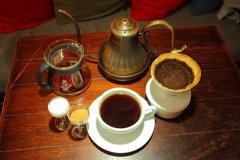
Turkish coffee that captures the hearts of the people
Coffee in the ancient Middle East, like the legend of 1001 nights, like a veiled girl with a thousand faces, can not only help get close to God, but also wash the spring of sadness. When it comes to coffee, we have to mention Turkish coffee in the Middle East, because no matter from the perspective of Islam or Christianity, the origin of coffee is in the remote and mysterious Middle East. In the thirteenth to fifteenth centuries, it grew.
Boutique coffee common sense Turks drink unfiltered coffee
Coffee in the ancient Middle East, like the legendary myth of the 1001 night, is a veiled girl with a thousand faces, which can not only help get close to God, but also wash the spring of sadness. When it comes to coffee, we have to mention the Middle East (Turkey) coffee, because whether from the perspective of Islam or Christianity, the origin of coffee is in the remote and mysterious mountains of the Middle East. After the thirteenth to fifteenth centuries,

Turkish coffee: exotic coffee flavor, not only coffee but also life
This article will introduce. Turkish coffee has a long history but is not popular Why should we try Turkish coffee to brew Turkish coffee this drink was popular and traded from Islam in the earliest days, and Islam has also expanded its territory to Europe and Asia in history, and the way coffee is cooked continues to evolve over time and spread to countries, as previously introduced.

Turks drink unfiltered coffee Turkish coffee culture
Coffee in the ancient Middle East, like the legendary myth of the 1001 night, is a veiled girl with a thousand faces, which can not only help get close to God, but also wash the spring of sadness. When it comes to coffee, we have to mention the Middle East (Turkey) coffee, because whether from the perspective of Islam or Christianity, the origin of coffee is in the remote and mysterious mountains of the Middle East. After the thirteenth to fifteenth centuries,
Coffee is not filtered by Turkish locals.
Coffee in the ancient Middle East, like the legendary myth of the 1001 night, is a veiled girl with a thousand faces, which can not only help get close to God, but also wash the spring of sadness. When it comes to coffee, we have to mention the Middle East (Turkey) coffee, because whether from the perspective of Islam or Christianity, the origin of coffee is in the remote and mysterious mountains of the Middle East. After the thirteenth to fifteenth centuries,

Coffee is not filtered by Turkish locals.
Coffee in the ancient Middle East, like the legendary myth of the 1001 night, is a veiled girl with a thousand faces, which can not only help get close to God, but also wash the spring of sadness. When it comes to coffee, we have to mention the Middle East (Turkey) coffee, because whether from the perspective of Islam or Christianity, the origin of coffee is in the remote and mysterious mountains of the Middle East. After the thirteenth to fifteenth centuries,

Basic knowledge of Coffee Culture Turks drink unfiltered coffee
Coffee in the ancient Middle East, like the legendary myth of the 1001 night, is a veiled girl with a thousand faces, which can not only help get close to God, but also wash the spring of sadness. When it comes to coffee, we have to mention the Middle East (Turkey) coffee, because whether from the perspective of Islam or Christianity, the origin of coffee is in the remote and mysterious mountains of the Middle East. After the thirteenth to fifteenth centuries,

Breathtaking ancient Turkish coffee culture and etiquette
Coffee in the ancient Middle East, like the legendary myth of the 1001 night, is a veiled girl with a thousand faces, which can not only help get close to God, but also wash the spring of sadness. When it comes to coffee, we have to mention the Middle East (Turkey) coffee, because whether from the perspective of Islam or Christianity, the origin of coffee is in the remote and mysterious mountains of the Middle East. After the thirteenth to fifteenth centuries,
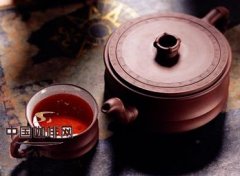
Comparison of Tea and Coffee the ratio of Chinese Tea and Western Coffee Culture
Tea, coffee and cola are called the three largest drinks in the world, and the largest consumption is tea and coffee. Coffee plays an irreplaceable role in the life of westerners, no matter in school, company, shopping mall or at home, everyone enjoys it with a coffee cup, while tea is deeply rooted in Chinese life, it is not only a kind of drink, but also carries Chinese culture. Tea and coffee represent
Turkey: breathtaking coffee drinking habits unique to Turkey
Coffee in the ancient Middle East, like the legendary myth of the 1001 night, is a veiled girl with a thousand faces, which can not only help get close to God, but also wash the spring of sadness. When it comes to coffee, we have to mention the Middle East (Turkey) coffee, because whether from the perspective of Islam or Christianity, the origin of coffee is in the remote and mysterious mountains of the Middle East. After the thirteenth to fifteenth centuries,

Turkey: breathtaking coffee drinking habits unique to Turkey
Coffee in the ancient Middle East, like the legendary myth of the 1001 night, is a veiled girl with a thousand faces, which can not only help get close to God, but also wash the spring of sadness. When it comes to coffee, we have to mention the Middle East (Turkey) coffee, because whether from the perspective of Islam or Christianity, the origin of coffee is in the remote and mysterious mountains of the Middle East. After the thirteenth to fifteenth centuries,

Arabica Coffee Common sense Turks drink unfiltered coffee
Coffee in the ancient Middle East, like the legendary myth of the 1001 night, is a veiled girl with a thousand faces, which can not only help get close to God, but also wash the spring of sadness. When it comes to coffee, we have to mention the Middle East (Turkey) coffee, because whether from the perspective of Islam or Christianity, the origin of coffee is in the remote and mysterious mountains of the Middle East. After the thirteenth to fifteenth centuries,

Coffee basic common sense breathtaking ancient Turkish coffee
Coffee in the ancient Middle East, like the legendary myth of the 1001 night, is a veiled girl with a thousand faces, which can not only help get close to God, but also wash the spring of sadness. When it comes to coffee, we have to mention the Middle East (Turkey) coffee, because whether from the perspective of Islam or Christianity, the origin of coffee is in the remote and mysterious mountains of the Middle East. After the thirteenth to fifteenth centuries,
The breathtaking ancient Turkey of coffee culture and etiquette
Coffee in the ancient Middle East, like the legendary myth of the 1001 night, is a veiled girl with a thousand faces, which can not only help get close to God, but also wash the spring of sadness. When it comes to coffee, we have to mention the Middle East (Turkey) coffee, because whether from the perspective of Islam or Christianity, the origin of coffee is in the remote and mysterious mountains of the Middle East. After the thirteenth to fifteenth centuries,

How to make Turkish coffee, how to drink Turkish coffee, how to predict Turkish coffee.
Professional coffee knowledge exchange more coffee bean information please pay attention to coffee workshop (Wechat official account cafe_style) Coffee this drink was popular and traded by Islam in the earliest days, Islam has also expanded its territory to Europe and Asia in history, and the way coffee is cooked continues to evolve with time and spread to countries, previously introduced Vietnamese coffee

The basic knowledge of coffee culture in Turkey
Coffee in the ancient Middle East, like the legendary myth of the 1001 night, is a veiled girl with a thousand faces, which can not only help get close to God, but also wash the spring of sadness. When it comes to coffee, we have to mention the Middle East (Turkey) coffee, because whether from the perspective of Islam or Christianity, the origin of coffee is in the remote and mysterious mountains of the Middle East. After the thirteenth to fifteenth centuries,